In an era where the natural world faces unprecedented challenges, nature documentaries have emerged as powerful tools for education and inspiration. For animal lovers, these films offer a captivating glimpse into the lives of creatures that share our planet, from the majestic to the microscopic. This article delves into the best nature documentaries available today, analyzing their impact on viewers and their contribution to wildlife conservation. By exploring a range of cinematic styles and narratives, we aim to uncover how these documentaries not only entertain but also foster a deeper understanding of the animal kingdom and the ecosystems they inhabit.
Exploring Biodiversity and Ecosystems
For those captivated by the intricate web of life on our planet, nature documentaries provide a window into the wonders of biodiversity and ecosystems. These films not only showcase the beauty of wildlife but also delve into the complexities of ecological interactions. Below is a curated list of documentaries that offer a deeper understanding of nature’s interconnectedness:
- Our Planet – This series explores the diverse habitats across the globe, highlighting the delicate balance of ecosystems and the urgent need for conservation.
- Planet Earth II – With stunning cinematography, it takes viewers from the towering peaks of the Himalayas to the depths of the ocean, showcasing the diversity of life forms and their unique adaptations.
- The Blue Planet – Focusing on marine life, this documentary series dives into the mysterious and vibrant world beneath the waves, revealing the complex relationships within ocean ecosystems.
These documentaries not only provide visual splendor but also encourage a deeper appreciation and understanding of the natural world. They emphasize the importance of preserving these ecosystems for future generations.
Capturing Rare and Endangered Species
One of the most compelling aspects of nature documentaries is their ability to bring viewers face-to-face with the world’s most elusive creatures. Through stunning cinematography and expert storytelling, these films highlight the beauty and fragility of species on the brink of extinction. “Planet Earth II” offers a breathtaking look at habitats across the globe, showcasing rare moments with creatures like the endangered snow leopard. The documentary’s use of advanced filming techniques allows for an unprecedented glimpse into the lives of these elusive cats.
Another standout is “The Ivory Game”, which delves into the perilous world of elephant poaching. By focusing on the urgent efforts to save these majestic animals, the documentary not only raises awareness but also inspires action. “Virunga” is equally powerful, exploring the battle to protect mountain gorillas in the Congo. These films not only captivate but also educate, providing viewers with a deeper understanding of the critical conservation efforts needed to preserve our planet’s biodiversity.
- Planet Earth II – Snow leopards, advanced filming techniques
- The Ivory Game – Elephant poaching, conservation efforts
- Virunga – Mountain gorillas, protection initiatives

Innovative Filmmaking Techniques in Nature Documentaries
In recent years, filmmakers have harnessed cutting-edge technology to capture the mesmerizing beauty of wildlife, offering viewers unprecedented insights into the natural world. High-definition cameras and drones have become indispensable tools, enabling filmmakers to document animal behavior with stunning clarity and from perspectives previously unattainable. These advancements allow for intimate close-ups and sweeping aerial shots that enhance the storytelling experience, immersing audiences in the environment as never before.
Moreover, the use of time-lapse photography and thermal imaging has revolutionized the way we observe ecological phenomena. Time-lapse sequences reveal the intricate details of plant growth and animal migration, compressing days or even months into breathtaking moments. Thermal imaging, on the other hand, unveils the hidden activities of nocturnal creatures, offering a glimpse into the mysterious world of nighttime ecosystems. Together, these techniques not only captivate viewers but also deepen our understanding of the intricate dynamics within nature.
- High-definition cameras for detailed imagery
- Drones for aerial perspectives
- Time-lapse photography for dynamic sequences
- Thermal imaging for nocturnal observations
Impactful Narratives and Conservation Messages
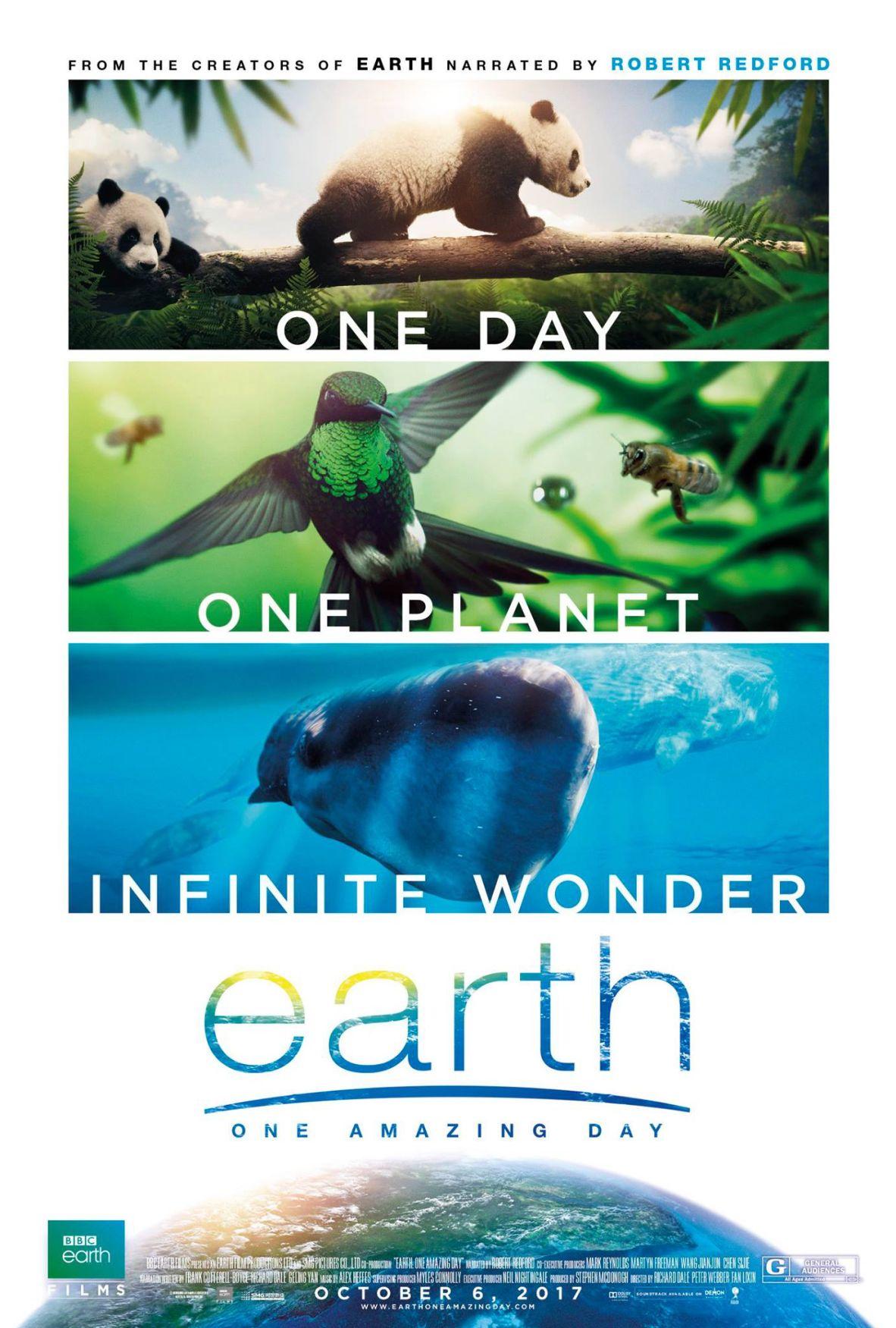
Many nature documentaries transcend mere visual spectacle by weaving impactful narratives and delivering powerful conservation messages. These films not only showcase the beauty of wildlife but also highlight the urgent need for environmental preservation. By presenting stories that resonate emotionally with viewers, they often inspire action and awareness. Key documentaries in this realm utilize compelling storytelling techniques to emphasize the interconnectedness of ecosystems and the delicate balance that sustains them.
- Visual Storytelling: Captivating cinematography that immerses the audience in the natural world.
- Expert Narration: Insights from scientists and conservationists that provide depth and context.
- Emotional Engagement: Personal stories of animals and their habitats that foster empathy.
By integrating these elements, these documentaries serve as a catalyst for change, urging viewers to reflect on their relationship with nature and their role in its preservation. The conservation messages delivered are often rooted in real-world challenges, offering a candid look at the threats facing wildlife today. As a result, they not only educate but also empower audiences to participate in conservation efforts.