
In an increasingly interconnected world, understanding diverse cultures has become more essential than ever. Documentaries, with their unique ability to blend storytelling and factual reporting, offer a compelling medium through which audiences can explore the intricacies of societies different from their own. By capturing authentic narratives and providing context that is often absent in mainstream media, documentaries serve as a vital tool for cultural education. This article delves into how documentaries open windows into various cultures, examining their role in fostering empathy, challenging stereotypes, and promoting global awareness. Through an analytical lens, we will explore the impact and significance of these visual narratives in bridging cultural divides.
Understanding Cultural Narratives Through Documentary Storytelling
Documentary storytelling serves as a profound medium for exploring and understanding cultural narratives. By capturing real-life experiences and perspectives, documentaries provide an authentic glimpse into the traditions, values, and social dynamics of various communities. Through the lens of filmmakers, viewers are introduced to unique rituals, historical contexts, and personal stories that might otherwise remain hidden. This form of storytelling allows for an immersive experience, fostering empathy and broadening one’s worldview.
Several key elements contribute to the effectiveness of documentaries in depicting cultural narratives:
- Authenticity: Unscripted and real-life events offer a genuine portrayal of cultural practices.
- Visual Storytelling: Powerful imagery and cinematography enhance understanding and emotional connection.
- Personal Narratives: Individual stories provide a relatable and intimate perspective on broader cultural themes.
- Contextual Background: Historical and societal contexts enrich the viewer’s comprehension of cultural nuances.
By embracing these elements, documentaries not only inform but also engage audiences in meaningful cultural exploration.
Exploring Authenticity and Representation in Documentary Filmmaking
In the realm of documentary filmmaking, the quest for authenticity and representation is a delicate balancing act. Filmmakers strive to capture the essence of a culture without imposing their own biases, a challenge that requires a deep understanding and respect for the subjects they portray. By presenting narratives that are both truthful and engaging, documentaries can illuminate the intricacies of diverse cultures, offering audiences a genuine glimpse into worlds that may be unfamiliar. This authenticity is achieved through careful storytelling, where the voices of the people within the culture are prioritized, ensuring that their stories are told in their own words and through their own experiences.
- Immersive Storytelling: Filmmakers often embed themselves within communities to gain a deeper understanding, allowing them to portray the culture from an insider’s perspective.
- Ethical Representation: It’s crucial for documentarians to navigate the fine line between observation and exploitation, ensuring that the portrayal respects the dignity and autonomy of the subjects.
- Collaborative Processes: Engaging with cultural consultants or local filmmakers can enhance authenticity, as these collaborators bring invaluable insights and perspectives.
Through these practices, documentaries can become powerful tools for cultural exchange, fostering empathy and understanding by allowing viewers to experience the rich tapestry of human life beyond their own borders.
The Role of Filmmaker Perspectives in Shaping Cultural Insights
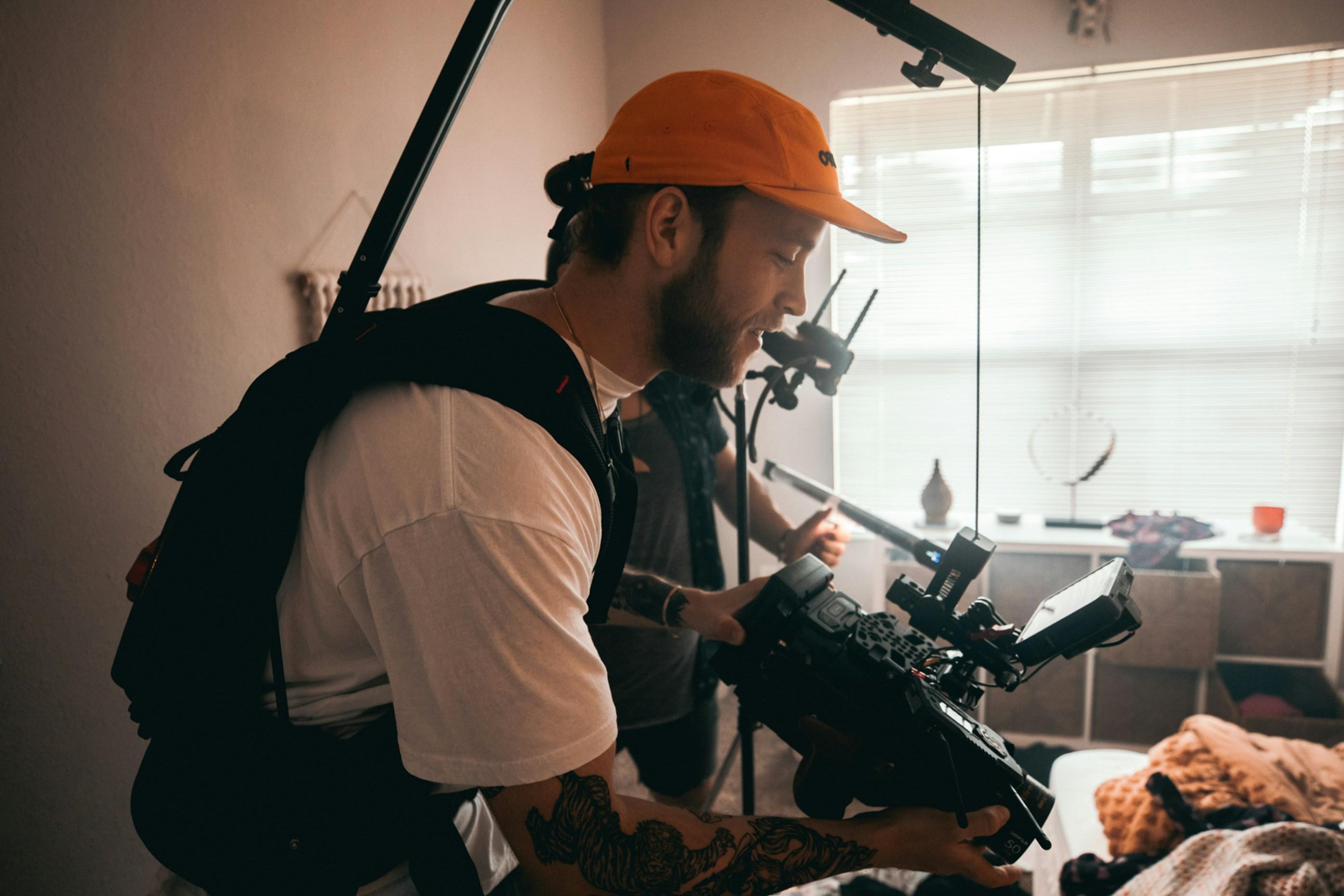
Filmmakers play a pivotal role in interpreting and presenting cultural narratives, acting as both observers and storytellers. Their unique perspectives can deeply influence how audiences perceive and understand different societies. By selecting which stories to tell and how to tell them, filmmakers can highlight aspects of culture that might otherwise remain unseen. This process often involves a careful balance between authenticity and artistic expression, requiring filmmakers to engage deeply with their subjects.
- Curated Narratives: Filmmakers choose which elements of a culture to emphasize, shaping the audience’s understanding.
- Visual Storytelling: The use of imagery and symbolism can convey complex cultural concepts in an accessible way.
- Ethical Considerations: There is a responsibility to represent cultures respectfully and accurately, avoiding stereotypes.
Through their lenses, filmmakers offer viewers a curated journey into the lives and traditions of others, providing insights that can foster empathy and cross-cultural appreciation. The stories they tell are not just reflections of reality but are shaped by the filmmakers’ interpretations and intentions, which can illuminate or obscure different facets of cultural life.

Recommendations for Curating a Diverse Documentary Viewing Experience
To truly embrace the richness of global perspectives through documentaries, it’s essential to adopt a strategic approach in selecting films that reflect a wide array of cultures and narratives. Begin by exploring works from diverse geographical regions. Focus on films produced by local filmmakers, as these often provide authentic insights and nuanced storytelling that mainstream productions might overlook.
- Seek out lesser-known festivals that showcase international documentaries, offering a platform for underrepresented voices.
- Diversify genres and themes—from historical retrospectives to contemporary issues, each offers a unique lens into cultural dynamics.
- Leverage streaming platforms that specialize in global content, such as Mubi or Kanopy, which curate selections from a variety of cultures.
Engage with documentaries that challenge your preconceptions and encourage critical thinking. By doing so, you not only expand your cultural understanding but also support filmmakers who bring these vital stories to a broader audience.