In recent years, Netflix has emerged as a dominant force in the entertainment industry, reshaping how audiences consume media worldwide. Known for its vast array of original content, Netflix Originals have garnered critical acclaim and a loyal fanbase. However, as the streaming giant continues to expand its library, questions have arisen regarding the consistency and quality of these productions. This article delves into the evolving landscape of Netflix Originals, examining whether the perceived decline in quality is a valid concern or merely a reflection of changing viewer expectations. Through an analysis of production trends, audience reception, and industry dynamics, we aim to provide a balanced perspective on this pressing issue.
Evaluating the Evolution of Netflix Originals: A Comprehensive Analysis
The trajectory of Netflix Originals has been a fascinating subject for analysis, as the streaming giant continues to shape the entertainment landscape. Over the years, Netflix has produced a vast array of original content, from critically acclaimed series to blockbuster films. However, recent debates suggest a potential decline in quality. This perception is fueled by several factors:
- Volume vs. Quality: As Netflix expands its library, the sheer volume of content has raised concerns about the dilution of quality. While more content means greater variety, it also risks overextending creative resources.
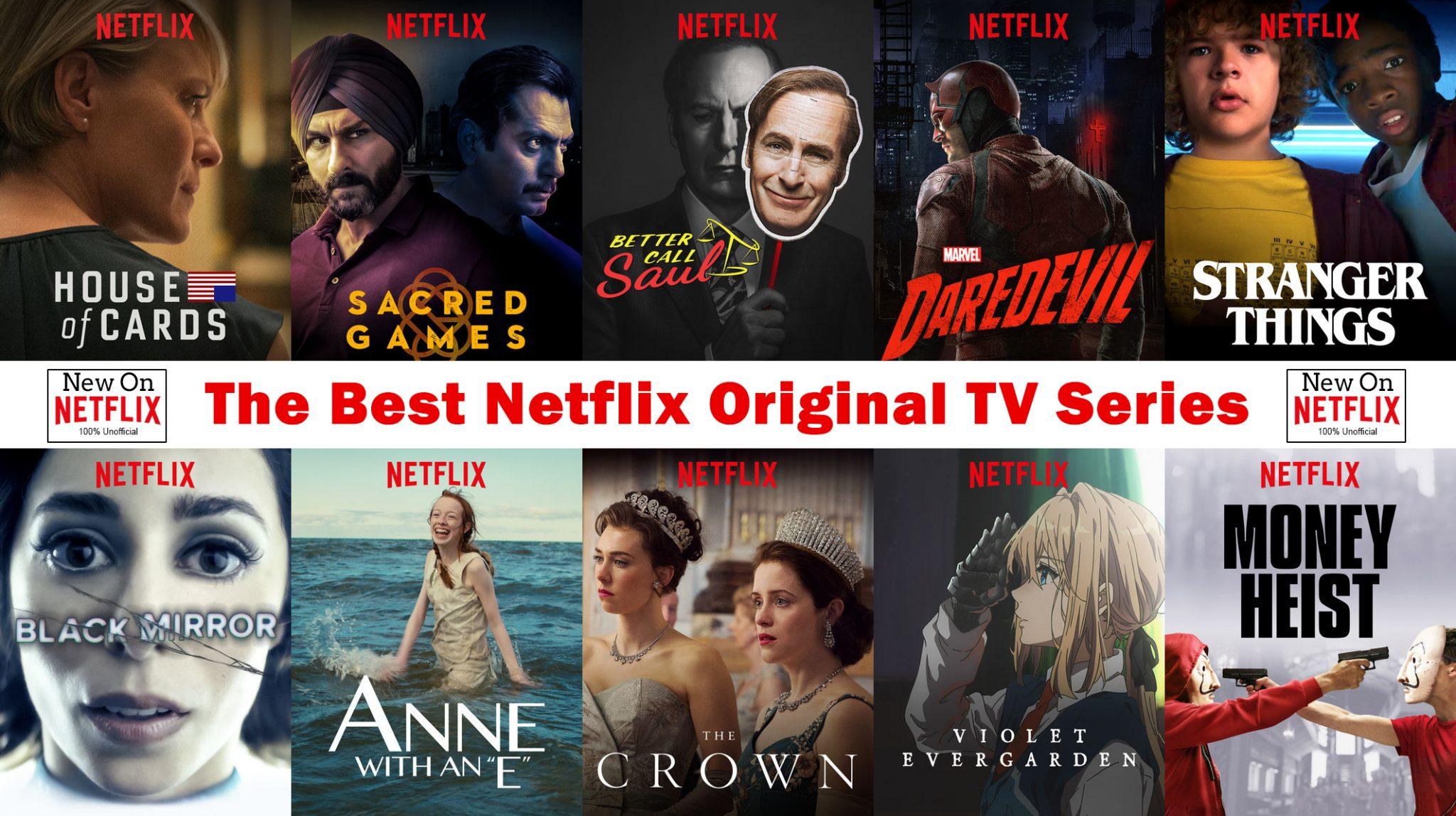
- Viewer Expectations: With early successes like “House of Cards” and ”Stranger Things,” the bar was set high. Subsequent releases are often compared to these iconic series, leading to increased scrutiny and criticism.
- Market Competition: The rise of competing platforms has pressured Netflix to maintain its dominance, sometimes prioritizing quantity over innovation to retain subscribers.
Despite these concerns, it’s essential to recognize the diverse genres and experimental storytelling that Netflix Originals continue to explore. While some projects may not resonate universally, others break new ground and captivate audiences worldwide. As the industry evolves, so too will the metrics by which we evaluate these productions.
Examining Audience Perception and Critical Reception Over the Years
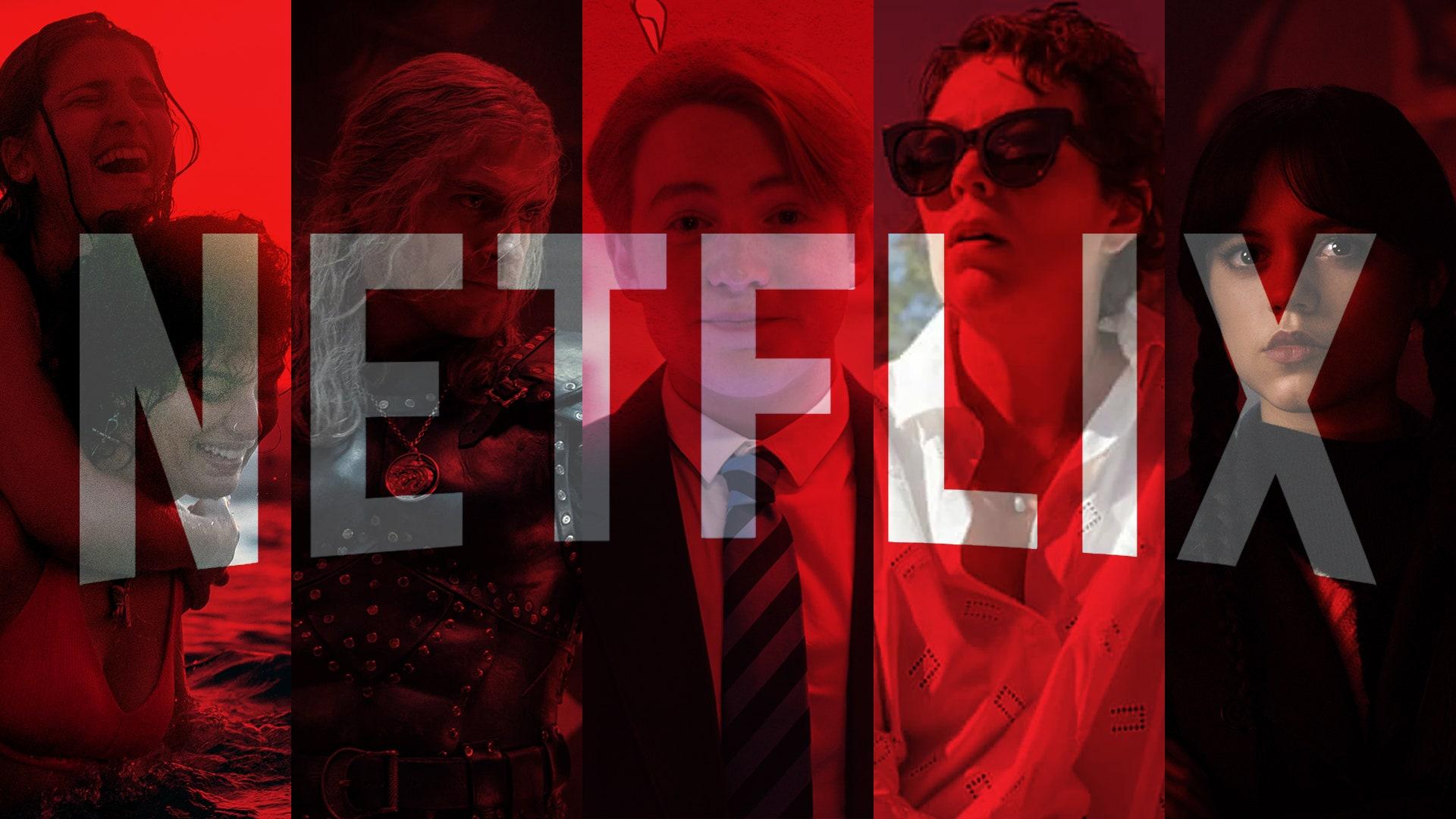
Over the years, Netflix Originals have experienced a shift in both audience perception and critical reception. Initially, shows like House of Cards and Orange is the New Black were celebrated for their innovative storytelling and high production values. As the platform expanded its content library, opinions began to diversify. Some viewers feel that the sheer volume of new releases has led to a decline in quality, while others appreciate the variety and accessibility of content. Critics, too, have noted a trend where ambitious projects sometimes falter under the weight of expectations or fail to capture the initial magic.
Several factors contribute to this perception shift:
- Content Saturation: With a surge in quantity, maintaining consistent quality becomes challenging.
- Changing Trends: What captivated audiences years ago may not resonate with current tastes.
- Increased Competition: Other streaming platforms are pushing boundaries, influencing audience expectations.
While some productions continue to receive acclaim, it’s clear that both audiences and critics are becoming more discerning, leading to a complex landscape of mixed reviews and varied opinions.
Investigating Production Challenges and Their Impact on Quality
In the ever-evolving landscape of streaming, Netflix has encountered numerous production challenges that may influence the perceived quality of its original content. Budget constraints and tight production schedules often lead to creative compromises. As the platform scales up its content library, the balance between quantity and quality becomes increasingly precarious.
Moreover, globalization of content brings its own set of challenges. Catering to diverse audiences requires a nuanced approach, sometimes leading to diluted storytelling to appeal to broader demographics. Additionally, talent retention and collaboration hurdles can impact the consistency and innovation that audiences expect. Understanding these factors is crucial to evaluating whether the decline in quality is a temporary phase or a more systemic issue within the industry.
Strategies for Enhancing Content Quality in Future Releases
To maintain and elevate the quality of Netflix Originals, it’s crucial to implement a few key strategies. First, diversifying creative teams can lead to more innovative storytelling. By bringing together writers, directors, and producers from various backgrounds, Netflix can harness a wealth of perspectives that resonate with a global audience.
- Audience Engagement: Actively solicit feedback from viewers to understand what elements resonate most, and adapt future projects accordingly.
- Data-Driven Decisions: Utilize advanced analytics to discern trends and preferences, ensuring content is both relevant and engaging.
- Investment in Original Ideas: Encourage and fund unique, high-concept ideas that stand out in a crowded market.
- Quality Over Quantity: Focus on fewer, high-quality releases rather than overwhelming viewers with numerous, less impactful titles.
Additionally, strengthening partnerships with seasoned filmmakers can help infuse projects with expertise and polish, elevating the overall production value. By aligning creative visions with market insights, Netflix can continue to deliver compelling, high-quality content that captivates its audience.