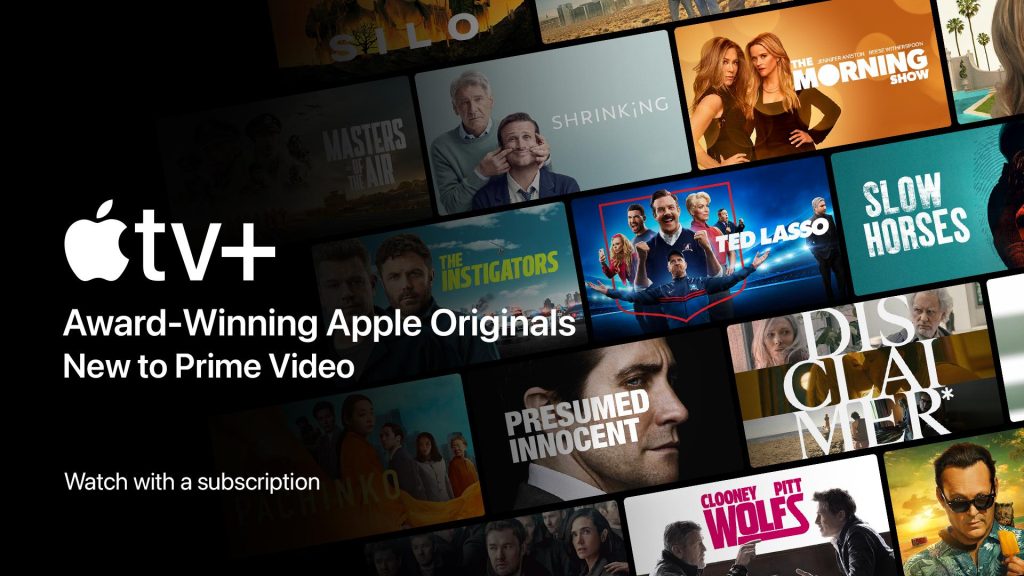

In the ever-evolving landscape of digital streaming, user experience plays a pivotal role in shaping consumer preferences and brand loyalty. Amazon Prime Video, a major player in this arena, offers a vast array of content, from original series to blockbuster films. However, as the platform grows, so does the complexity of its user interface. This article delves into whether Amazon Prime Video’s user interface has become too complicated for its diverse audience. By examining user feedback, design elements, and comparing industry standards, we aim to provide a comprehensive analysis of the platform’s navigational efficiency and overall user experience.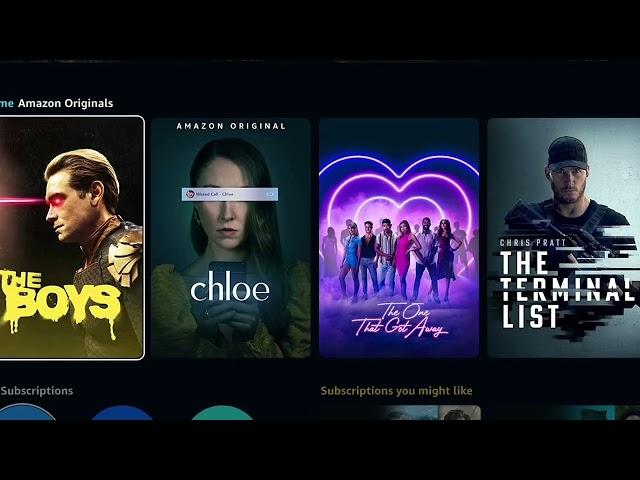
Evaluating the Complexity of Amazon Prime Videos User Interface
The user interface of Amazon Prime Video often sparks debate among users, particularly concerning its complexity and usability. On one hand, the platform boasts a comprehensive range of features designed to enhance user experience. Customizable watchlists, integrated IMDb ratings, and X-Ray insights are just a few examples of the functionalities that enrich content discovery. However, these features can sometimes lead to an overwhelming interface, particularly for new users unfamiliar with the platform’s layout.
- Navigation Challenges: Users frequently report difficulties in locating specific content due to the intricate categorization and a sometimes cluttered homepage.
- Search Functionality: While robust, the search tool can yield convoluted results, requiring users to sift through various categories and filters.
- Content Overload: The vast array of available content, combined with frequent promotional banners, can lead to a sense of overload, detracting from a streamlined viewing experience.
Amazon’s attempt to provide a feature-rich environment is commendable, yet it raises the question of whether simplicity and accessibility might be sacrificed in the process. The balance between offering depth and maintaining ease of use remains a critical point for future iterations of the platform.
Understanding User Navigation Challenges and Pain Points
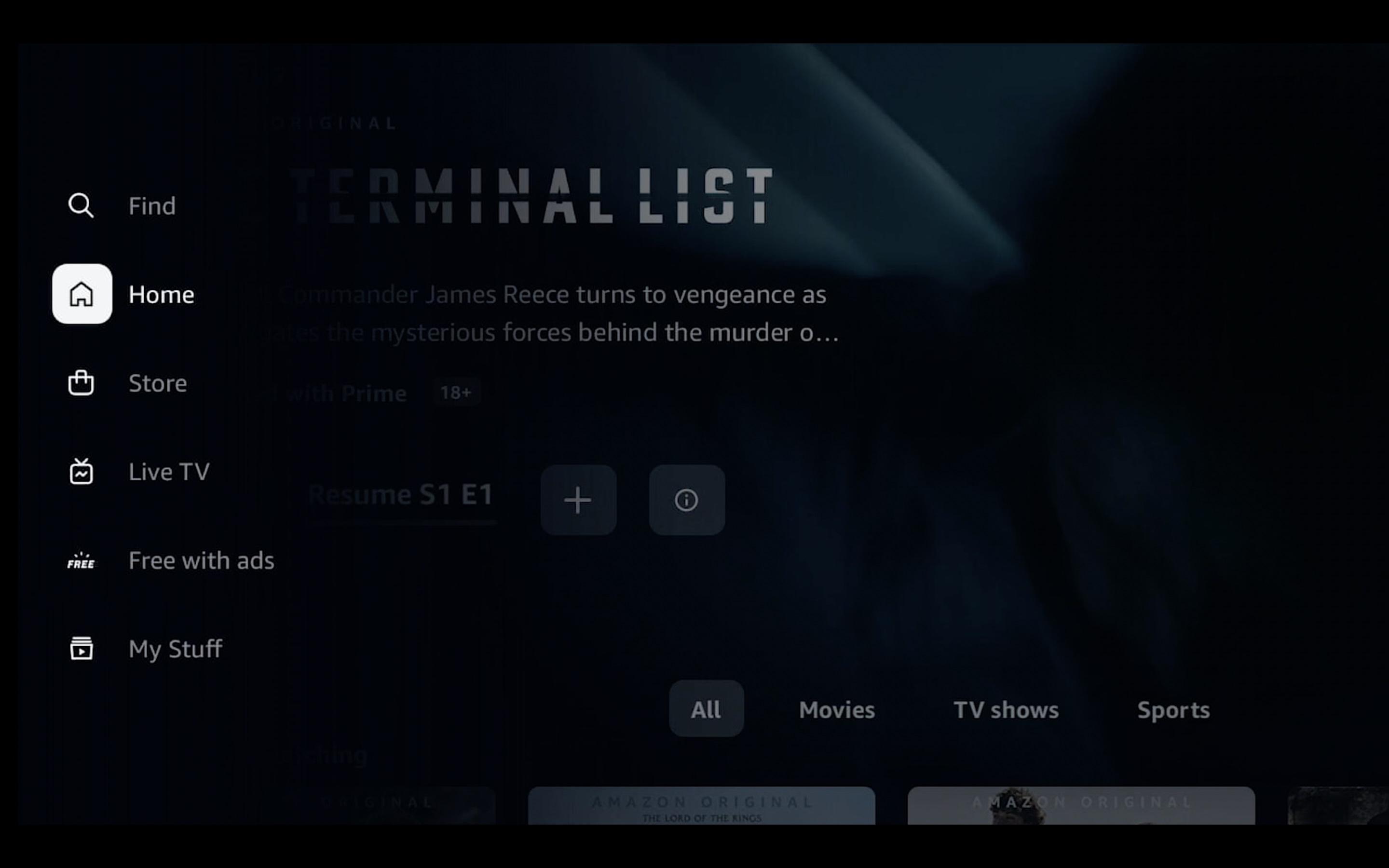
- Complex Menus: One of the most significant hurdles users face is navigating through intricate menus. Amazon Prime Video’s interface presents a labyrinth of categories, recommendations, and settings that can overwhelm users. The lack of a streamlined menu structure can lead to frustration as users struggle to find their desired content quickly.
- Search Functionality: The search feature, while powerful, can sometimes return results that are not immediately relevant. This inconsistency in search results can deter users from relying on it, prompting them to navigate through multiple layers of the interface instead.
- Inconsistent Layouts: The variation in layouts across different devices adds another layer of complexity. Users who switch between a smart TV, mobile app, or desktop browser may find themselves disoriented by changes in interface design and content placement.
- Content Overload: The sheer volume of available content can be both a blessing and a curse. Users often experience decision fatigue when faced with endless scrolling and a plethora of choices, making it challenging to quickly locate specific titles or genres.

Analyzing Content Discovery and Search Functionality
When exploring Amazon Prime Video, users often find themselves navigating a labyrinth of content discovery and search functionalities. The platform offers a vast array of shows and movies, but the complexity of its interface can sometimes hinder rather than help the viewing experience. Search functionality is a crucial element in this equation. While Amazon provides filters and categories, users have reported that the search results can be overwhelming and not always relevant, requiring multiple attempts to find the desired content.
The content discovery aspect is equally intricate. Although Amazon Prime Video suggests content based on viewing history, the recommendations are not always intuitive or personalized. The interface relies heavily on a blend of algorithm-driven suggestions and curated lists, which can lead to user frustration. Some common challenges include:
- Difficulty in discovering new content due to cluttered navigation.
- Limited visibility of niche or lesser-known titles.
- Over-reliance on trending and popular categories.
Ultimately, while Amazon Prime Video offers a rich library, its interface may benefit from streamlined navigation and more intuitive search capabilities to enhance user satisfaction.
Recommendations for Enhancing User Experience and Accessibility
To streamline Amazon Prime Video’s interface, consider implementing several key strategies. First, simplifying navigation is crucial. A more intuitive layout with clearly labeled categories and subcategories can significantly reduce user confusion. Additionally, introducing a customizable homepage would allow users to prioritize their favorite genres or shows, enhancing the overall experience. A clear, minimalistic design can help direct attention to essential features without overwhelming the viewer.
Enhancing accessibility should also be a priority. Incorporating features like screen readers, adjustable text sizes, and color contrast options can make the platform more inclusive. Providing detailed captions and audio descriptions for all content ensures that users with varying needs can fully enjoy the service. Furthermore, offering multi-language support and voice command integration could open doors to a broader audience, making the platform more user-friendly and accessible.